arrow_back close
Donate

National Caregiver Day: What These Autism Parents Want You To Know About Their Journey

“Through Erinoak Kids, we’ve watched Isaac transform: he is finding his voice to express his needs instead of getting lost in the classroom noise, mastering the daily routines that used to cause us both so much anxiety and gaining the social confidence and self-help skills he needs to truly own his independence every single day.

  1. Tell us about the start of your autism journey. How did it feel when you got the diagnosis? What were your biggest worries or fears?


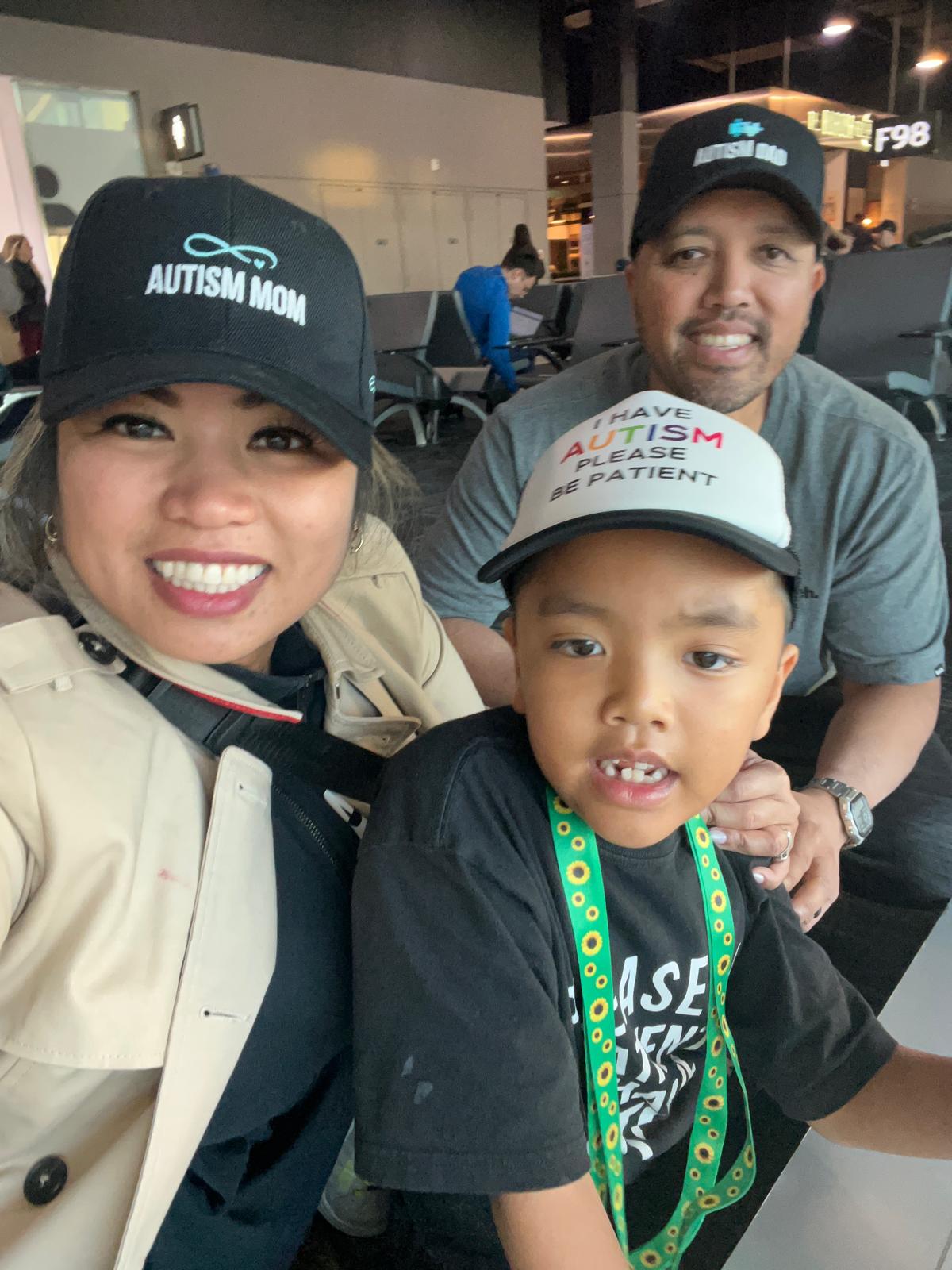
    We got Diagnosed December 2019. It was hard to take in at first and we didn't know what to do and had no Idea what autism was because it's the first time we are experiencing it first hand.

    We were lost for a while, no funding and covid started shortly after Isaac's diagnosis. The autism journey often begins as a tidal wave of mixed emotions, where the initial relief of finally having a name for Isaac’s unique world clashes with a heavy, protective fear for his future independence and his ability to be understood by a world that isn't always built for him.


  1. How has your view of autism changed since the beginning of your autism journey?


    I used to worry that autism would define him; now I realize it simply describes one part of the incredible person he is, and my job isn't to change him, but to be the person who always has his back. 


  1. How has ErinoakKids impacted you and your family?


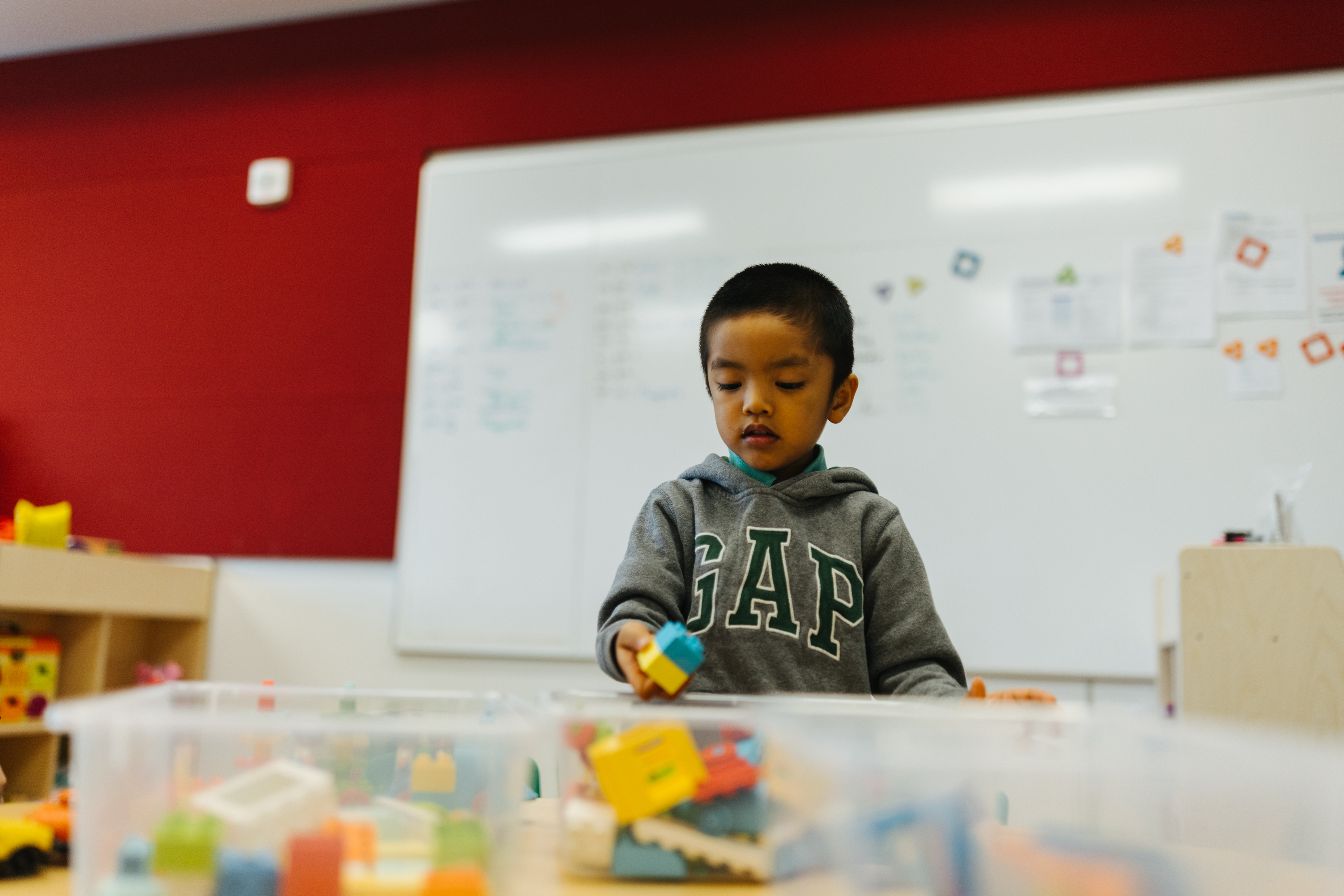
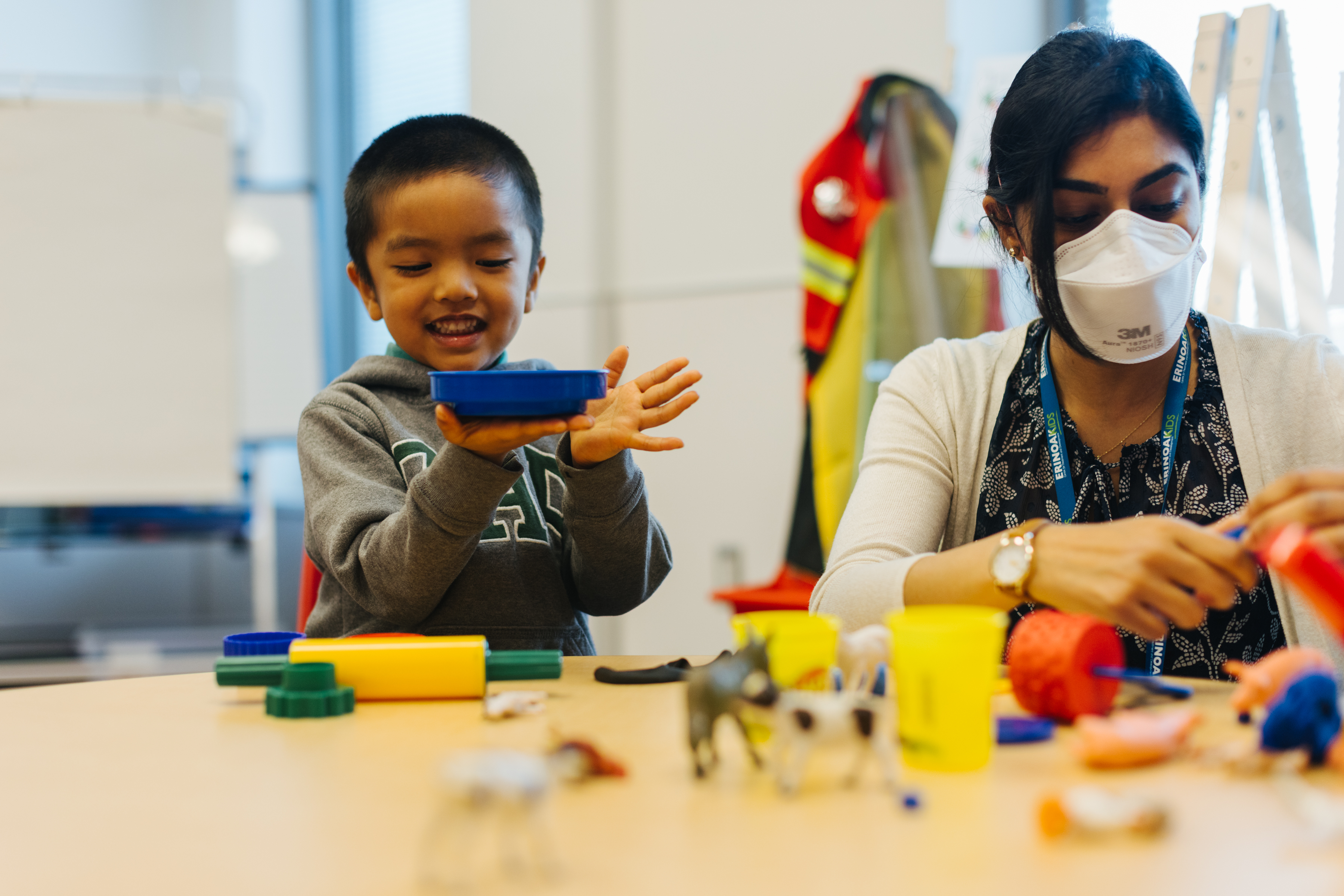
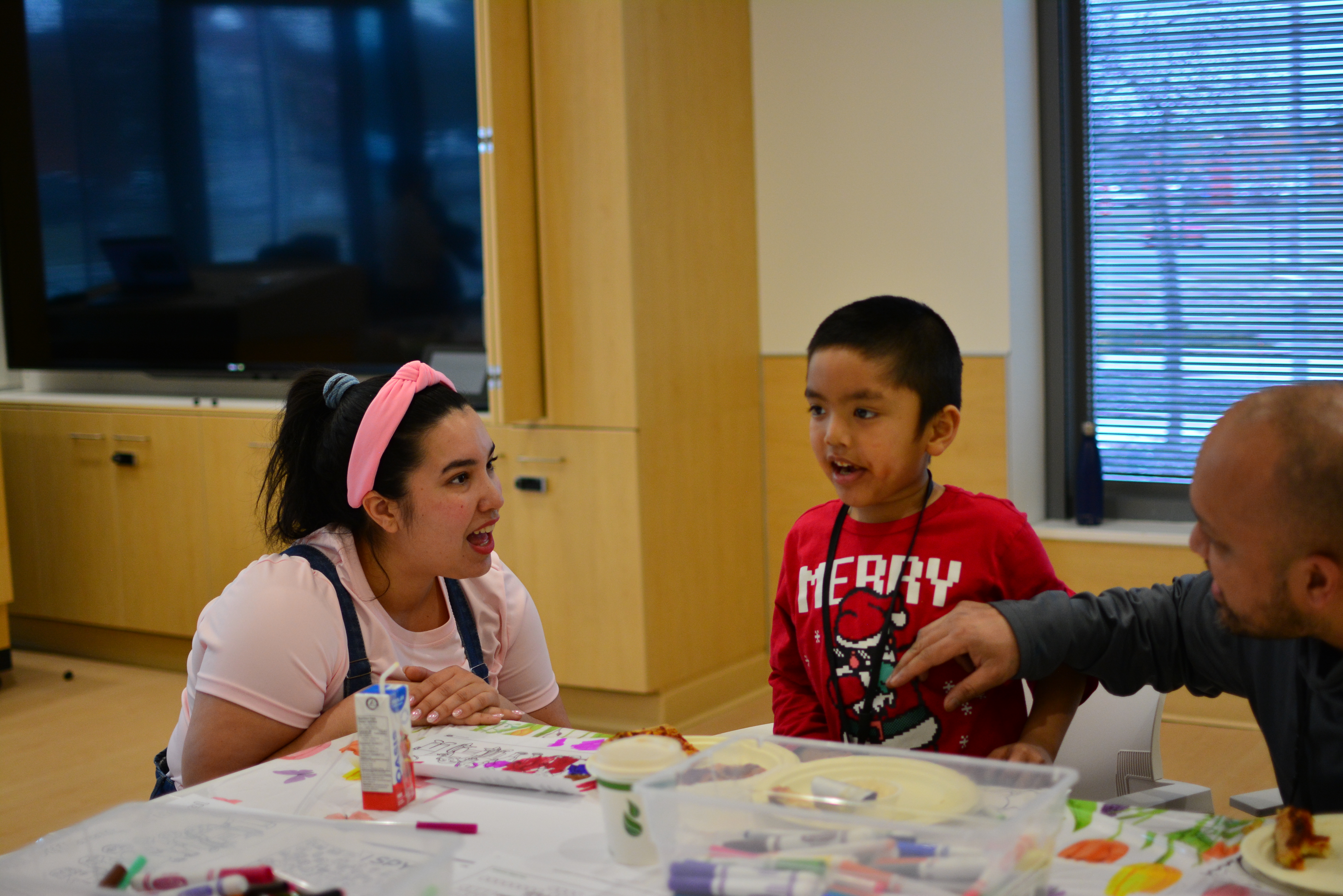
    It was a life changing experience for us. [The Entry To School program] has helped Isaac express his needs to teachers and peers so he doesn't feel frustrated or unheard in a busy classroom.

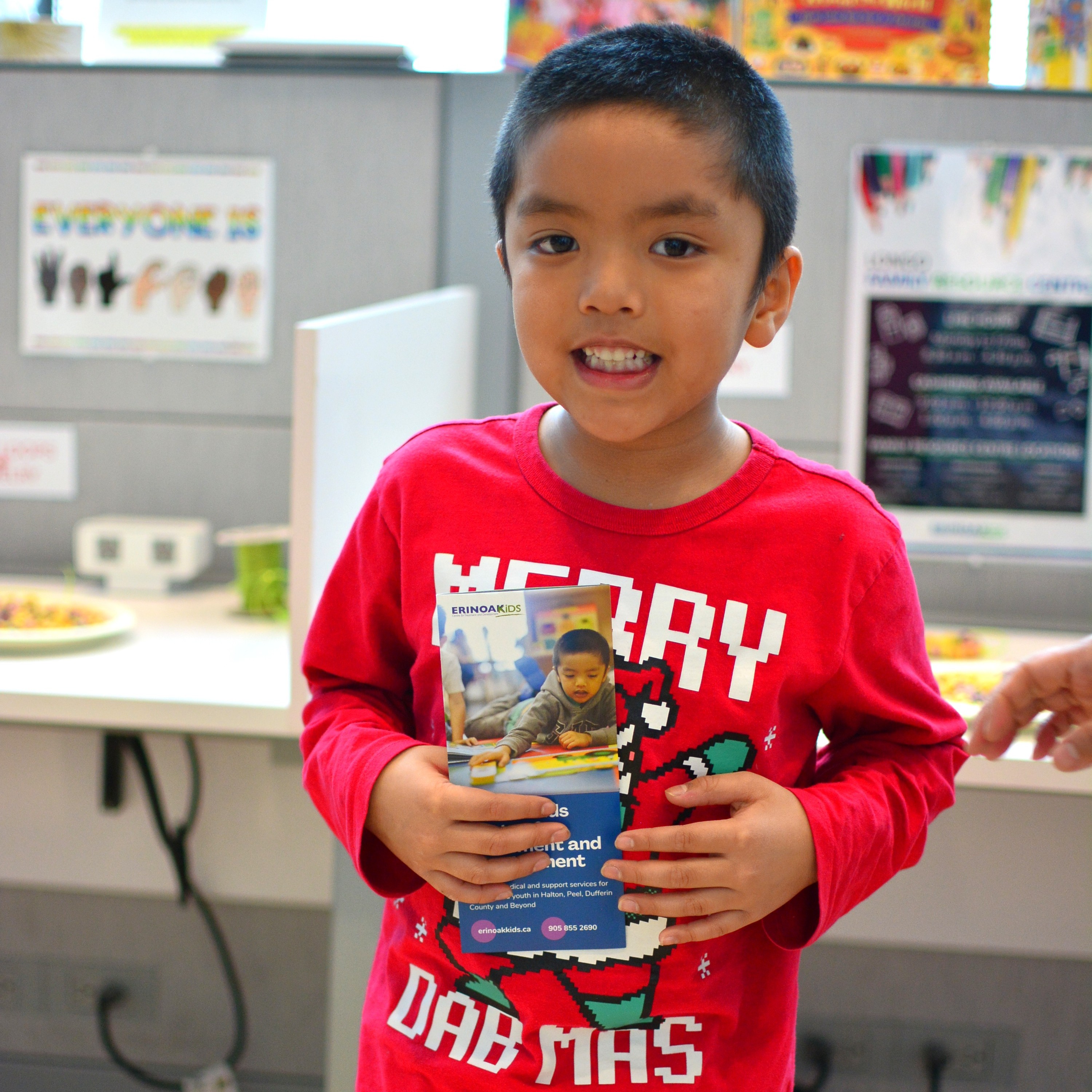
    Through Erinoak Kids, we’ve watched Isaac transform: he is finding his voice to express his needs instead of getting lost in the classroom noise, mastering the daily routines that used to cause us both so much anxiety, and gaining the social confidence and self-help skills he needs to truly own his independence every single day.


  1. What does Autism Awareness/Acceptance Month mean to you?

    For our family, this month is a powerful reclamation of Isaac’s narrative: it’s the moment we move past the world simply 'noticing' his differences and demand that they truly value them, turning a season of awareness into a movement of radical acceptance where my son is no longer viewed as a puzzle to be solved, but as a brilliant, essential part of a community that is finally learning to speak his language.
     
  1. What do you want others to know about raising a child with autism?

    If I could distill the heart of this journey into three essential truths for the world to understand, they would be these:

    1. Behavior is Communication
      When you see a child like Isaac struggling—perhaps covering his ears, humming loudly, or having a meltdown in a store—he isn't being "difficult" or "naughty." He is experiencing a sensory overload or a communication barrier that he cannot yet navigate. Behind every "behavior" is a frustrated child trying to tell the world that something is too loud, too bright, or too overwhelming. Compassion, not judgment, is the most helpful response.

    2. Different is Not "Less"
      Autism is not a broken version of "normal"; it is a different way of processing the world. Isaac’s brain may not be wired for small talk or traditional social cues, but it is often wired for incredible focus, deep honesty, and a unique perspective that the world desperately needs. Raising a child with autism isn't about "fixing" them; it’s about providing the tools and accommodations they need to let their specific brilliance shine.

    3. Inclusion Requires Effort, Not Just Presence
      Simply letting a child with autism into a classroom or onto a playground isn't the same as inclusion. True inclusion means active effort—it’s the parent who invites Isaac to a birthday party and asks, "What can we do to make this a safe space for him?" or the peer who learns to play with him on his terms. Inclusion is a choice to bridge the gap between our worlds so that no child is left standing on the sidelines of their own life.

      The Bottom Line: If you want to support an autism family, don't just "be aware." Be the person who leans in with curiosity instead of turning away with a stare, because your acceptance is the foundation upon which Isaac builds his confidence.

       
  1. What have you found most helpful when it comes to self-care as a caregiver?

    The one thing I would emphasize above all else is that you cannot pour from an empty cup, and your well-being is the very foundation of Isaac’s success. Self-care in the autism world isn't about spa days; it's about survival, sustainability, and sanity.

    The Pillars Of Self Care

    • Release the "Super-Parent" Guilt: There is an unspoken pressure to be a therapist, teacher, and advocate 24/7. Give yourself permission to just be a Parent. It is okay—and necessary—to have moments where you aren't "working" on his development.

    • Find Your "Village" (Even if it’s Digital): This journey can be incredibly isolating. Seek out other parents who "get it"—the ones who won't judge a meltdown and who will celebrate a single new word as if it’s a miracle. Whether it’s a local support group at ErinoakKids or an online community, find people who speak your language.

    • Prioritize Radical Rest: Living in a constant state of "high alert" (hyper-vigilance) takes a physical toll. When your child is in his Entry to School program or with a trusted caregiver, resist the urge to use every second for chores. Sometimes, sitting in silence for 20 minutes is the most productive thing you can do for your nervous system.

    • Advocate for Your Own Needs: Don't be afraid to tell friends or family exactly how they can help—whether it’s dropping off a meal, picking up groceries, or watching Isaac for an hour so  we can take a walk. People often want to help but don't know how; give them the roadmap.

    Self-care isn't selfish; it’s an act of love for your child. By taking care of your heart and your health, you are ensuring that your child has the strongest, most resilient version of you by his side for the long haul. You are doing a beautiful job, and it’s okay to acknowledge that this path is hard, but you don't have to walk it perfectly to be the perfect mom for him.


  1. What advice or words of hope do you have for families who are just starting their autism journey?

    If I could sit down with every family just beginning this walk, I would tell them that while the diagnosis feels like a heavy ending, it is actually a powerful beginning, so please give yourself the grace to grieve the 'expected' path, but don’t stay there too long, because you are about to discover a depth of love and a capacity for joy in the 'inchstones' that most people never get to experience.

    Trust your gut, be your child's fiercest advocate, and remember that even on the hardest days, Isaac is still the same incredible boy he was before the label; he just finally has a world opening up to meet him where he is.


Donate Today

Your support helps caregivers feel seen, supported and not alone.

Donate today to strengthen programs like Family Engagement that support caregiver mental health and well‑being.